შვეული საფრეზი ჩარხი
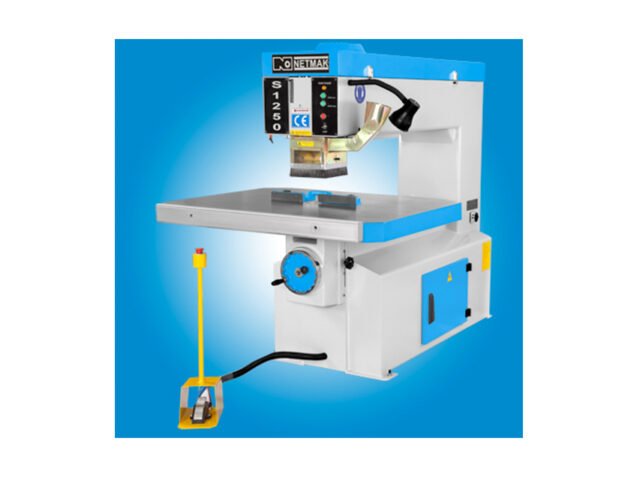
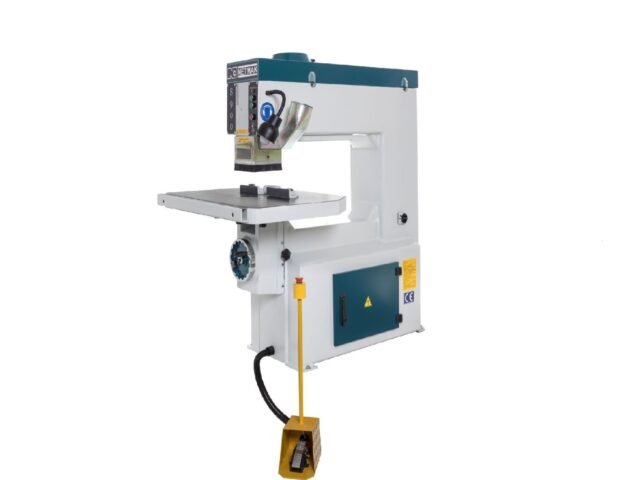
An overhead router carries a high-speed spindle on an arm above the table and plunges it into the workpiece from above, which is how template work, lock and hinge mortises, recesses, slots and internal cut-outs are cut in doors and panels. This category holds 2 NETMAK machines: the FRS 900, with 910 mm between cutter and column on a 790 x 970 mm table at 630 kg, and the FRS 1250, which extends that reach to 1250 mm on a 960 x 1220 mm table at 850 kg. Both are supplied by quotation. Compare the two below and request a quote.
განახლდა
ნაპოვნი დანადგარები
-
NETMAK
NETMAK FRS 1250 Vertical Spindle Router (Sakuli Freze)
FRS 1250 Sakuli Freze Makinasi- Motor power
- 2.9828 kW
ფასი მოთხოვნით ფასის მოთხოვნა -
NETMAK
NETMAK FRS 900 Vertical Spindle Router (Sakuli Freze)
FRS 900 Sakuli Freze Makinasi- Motor power
- 2.9828 kW
ფასი მოთხოვნით ფასის მოთხოვნა
How to choose an overhead router
Reach decides the choice between these two machines, and almost nothing else does. The distance from cutter to column sets how far into a panel the spindle can work: the NETMAK FRS 900 offers 910 mm, the NETMAK FRS 1250 offers 1250 mm. Measure the deepest point you must reach on your largest part before comparing anything else. A lock mortise on a door edge is within reach of either machine, but a recess in the middle of a full door leaf or a wide panel is the case the FRS 1250 exists for. Spindle and travels otherwise match: both machines run 9000-18000 rpm on a 12-14 mm collet.
Table size and mass
Table size follows reach, and mass follows table size. The FRS 900 carries a 790 x 970 mm table in a 630 kg frame, while the FRS 1250 carries 960 x 1220 mm at 850 kg. Those 220 kg are not a disadvantage: mass is what keeps an overhead router from moving as the spindle plunges into hardwood, and a bigger table supports a door leaf that would otherwise need outboard stands. The cost is floor space and a heavier lift into position, so confirm access and floor loading in your workshop before specifying the FRS 1250.
Pneumatic head movement
Plunge control is what makes an overhead router a production machine rather than a hand tool on a stand. The FRS 900 raises its head pneumatically, so the operator’s hands stay on the workpiece and each plunge repeats at the same rate instead of depending on how hard the lever was pushed. Pneumatic operation also means the machine needs compressed air alongside its electrical supply – plan the compressor and the airline into the installation, not after it.
Power supply and installation
Plan the electrical supply before delivery. The FRS 900 is specified with a 3.2-4 HP motor, a rating that belongs to a three-phase installation in nearly every workshop, and both machines run spindle speeds of 9000-18000 rpm, which implies a frequency-controlled or high-frequency spindle drive rather than a simple switch. State the supply available in your shop – and whether you have compressed air – when you request a quote, so the correct configuration is quoted rather than corrected on site.
Floor space and extraction
Allow space around an overhead router equal to the largest panel you will place on it, not to the table. A 960 x 1220 mm table on the FRS 1250 will hold a door leaf, but the operator still has to turn that leaf, so leave clear working area on at least three sides. Extraction should be planned with the machine: routing at 9000-18000 rpm throws fine dust at head height beside the operator, and a hood connected to a chip extractor is the only practical control. Air lines, ducting and the electrical feed should all reach the same position.
Tooling and cost drivers
Budget cutters, collets and templates alongside the machine. Both NETMAK overhead routers take 12-14 mm collets, so tooling is straightforward, but production work depends on the template and clamping arrangement far more than on the router itself: a lock-mortise jig, hinge templates and reliable workpiece clamping decide cycle time and repeatability. Across this pair the price driver is reach, table size and frame mass – 910 mm and 630 kg against 1250 mm and 850 kg – plus tooling, delivery and installation. Because both machines are quoted rather than sold at a published list price, describe the parts you machine and we will recommend the FRS 900 or the FRS 1250.
როგორ ავირჩიოთ
- Cutter-to-column reach
- 910 mm on the FRS 900 covers door edges and frame parts; 1250 mm on the FRS 1250 is what reaches into the middle of a full door leaf or a wide panel.
- Table size
- 790 x 970 mm on the FRS 900 against 960 x 1220 mm on the FRS 1250 - the larger table supports a door leaf without outboard stands.
- Machine mass
- 630 kg versus 850 kg; the extra mass steadies deep plunges in hardwood but demands floor space and access for the lift-in.
- Spindle speed 9000-18000 rpm
- Identical on both machines - run the low end for large-diameter cutters and hardwood, the high end for small cutters and clean template edges.
- Collet 12-14 mm
- Common to both models, so a cutter set moves between them; budget cutters and collets with the machine.
- Compressed air
- Pneumatic head raise on the FRS 900 needs a compressor and an airline at the machine position - plan it with the installation.
- Motor rating
- The FRS 900 is specified at 3.2-4 HP, a three-phase-class installation in practice; confirm the supply on your quotation.