საფრეზი ჩარხი (ფრეზი)
A spindle moulder holds a profiled cutter on a vertical spindle and shapes an edge as the workpiece runs along a fence: rebates, grooves, mouldings, panel raising and the cope-and-stick joints that door and window frames are built from. This category holds 18 machines from HOLZMANN and NETMAK, from the 108 kg FS160L bench shaper to the 725 kg NETMAK FR 2100 I.T. with a 2200 x 840 mm table, plus router tables and biscuit jointers for lighter jointing work. Every machine is supplied by quotation. Compare the models below and request a quote for the one matching your profile work.
განახლდა
ნაპოვნი დანადგარები
-
NETMAK
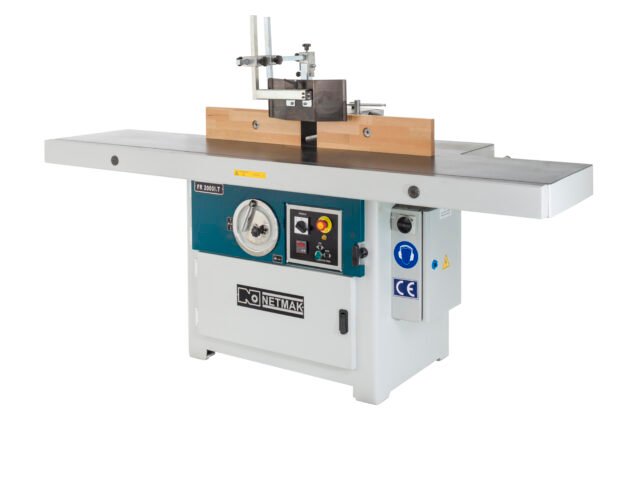
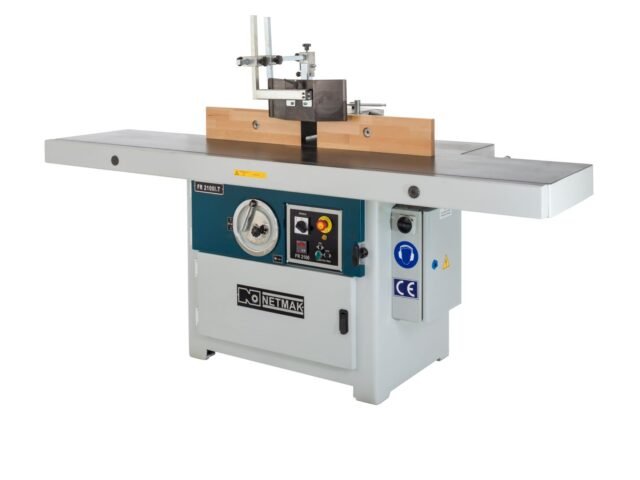
NETMAK FR 2000 I.T. Extension Table Spindle Moulder
FR 2000 İ.T. İlave Tablalı Freze Makinası- Motor power
- 5.5 kW
ფასი მოთხოვნით ფასის მოთხოვნა -
NETMAK
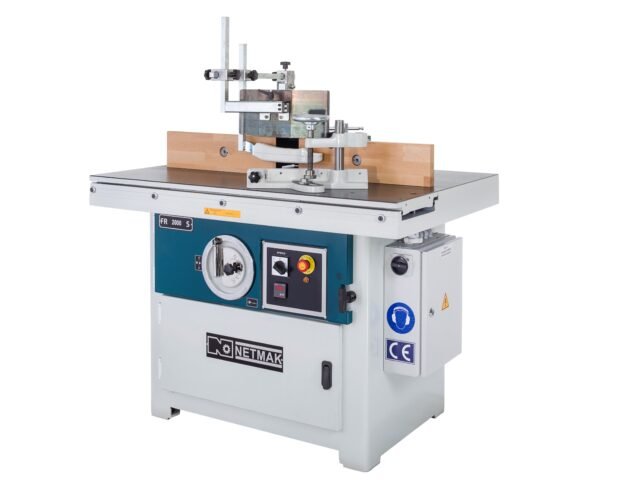
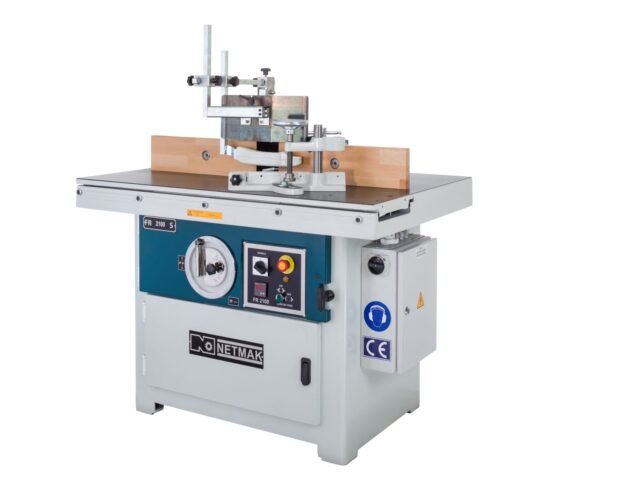
NETMAK FR 2000 S Sliding Table Spindle Moulder
FR 2000 S Arabalı Freze Makinası- Motor power
- 5.5 kW
ფასი მოთხოვნით ფასის მოთხოვნა -
NETMAK
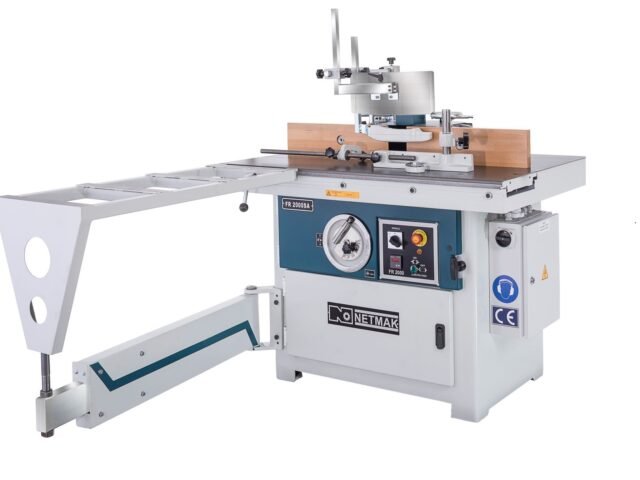
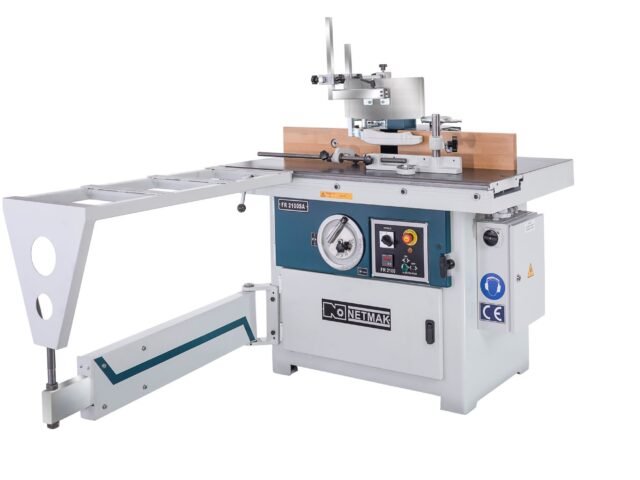
NETMAK FR 2000 SA Reinforced Carriage Spindle Moulder
FR 2000 SA Takviye Arabalı Freze Makinası- Motor power
- 5.5 kW
ფასი მოთხოვნით ფასის მოთხოვნა -
NETMAK
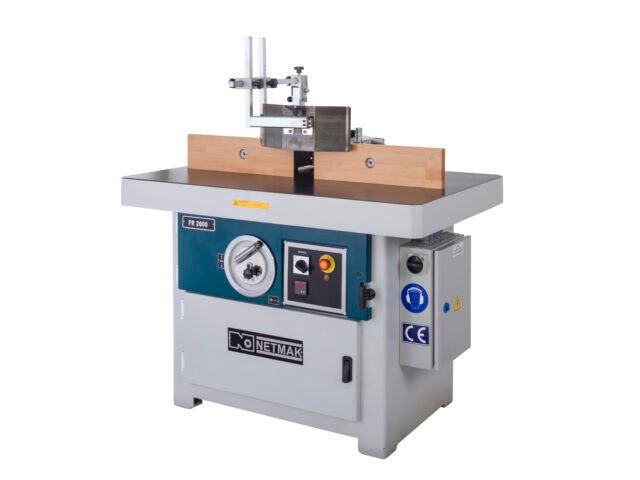
Netmak FR 2000 Spindle Moulder
FR 2000 Freze Makinasi- Motor power
- 5.5 kW
ფასი მოთხოვნით ფასის მოთხოვნა -
NETMAK
NETMAK FR 2100 I.T. Extension Table Spindle Moulder
FR 2100 İ.T. İlave Tablalı Freze Makinası- Motor power
- 7.5 kW
ფასი მოთხოვნით ფასის მოთხოვნა -
NETMAK
NETMAK FR 2100 S Sliding Table Spindle Moulder
FR 2100 S Arabalı Freze Makinası- Motor power
- 7.5 kW
ფასი მოთხოვნით ფასის მოთხოვნა -
NETMAK
NETMAK FR 2100 SA Reinforced Carriage Spindle Moulder
FR 2100 SA Takviye Arabalı Freze Makinası- Motor power
- 7.5 kW
ფასი მოთხოვნით ფასის მოთხოვნა -
NETMAK
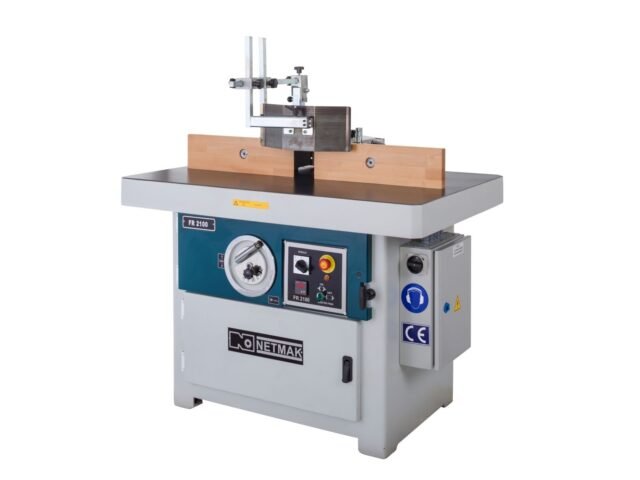
NETMAK FR 2100 Spindle Moulder
FR 2100 Freze Makinası- Motor power
- 7.5 kW
ფასი მოთხოვნით ფასის მოთხოვნა
How to choose a spindle moulder
Choose a spindle moulder by the length of the parts you feed and the depth of the profiles you cut, because those two things set the table and the motor. A shop profiling cabinet doors and small mouldings is served by a bench-class machine such as the 108 kg HOLZMANN FS160L or the 110 kg FS160SOLID. A shop cutting door and window frames needs a full carriage machine: the NETMAK FR 2000 range with a 1000 x 750 mm table and a 5.5 kW motor, or the FR 2100 range with a 1200 x 800 mm table and 7.5 kW. Between the two sit the HOLZMANN FS200, FS200S, FS200SF and the 280 kg FS300.
Table, carriage or extension table
The carriage is the decision most buyers get wrong. A fixed flat table, as on the FR 2000 and FR 2100, is correct for running long stock along a fence. A sliding carriage, as on the FR 2000 S and FR 2100 S, supports the workpiece for cross-grain and tenoning passes where an unsupported end would tear out, and the reinforced carriages of the FR 2000 SA (590 kg) and FR 2100 SA (695 kg) exist for shops pushing heavy stiles all day. The extension-table versions answer a different problem: the FR 2000 I.T. carries 2000 x 800 mm and the FR 2100 I.T. 2200 x 840 mm, so a full door rail stays supported end to end.
A tilting spindle, or a fixed one
A tilting spindle removes the need to buy a dedicated cutter for every angled profile. The FS200 keeps its spindle fixed and vertical on a 690 x 480 mm table; the FS200S swivels -5 to +30 degrees; the FS200SF tilts backwards 0 to 45 degrees; and the FS300 covers -5 to 45 degrees with 130 mm stroke and tools up to 200 mm diameter above the table.
Power supply and installation
Plan the electrical supply before the machine arrives. The NETMAK FR 2000 range at 5.5 kW and the FR 2100 range at 7.5 kW are three-phase installations, and the HOLZMANN FS300 is specified as 3000 W at 400 V three-phase. At the light end, the 1500 W FS160L, the 2200 W FS160SOLID and the 1500 W TFM610V table router are single-phase-class machines, and the FS200SF is offered in both 230 V and 400 V versions – state your available supply when you request a quote.
Floor space and extraction
Reserve space for the workpiece, not the machine. A 620 kg FR 2100 occupies a modest footprint, but a 3 m door stile needs 3 m clear before and after the spindle, which is why the 2000-2200 mm extension-table models demand a bay rather than a corner. Extraction is not optional on a shaper: profile cutters produce chip volume that a small vacuum cannot move, so size a chip extractor for the hood and the fence together, and connect the light machines – the OFT102 takes 60/70/75 mm hoses – to the same system.
Tooling, and what the price difference buys
Budget the tooling with the machine, because cutter heads frequently rival the machine in cost. Spindle diameter decides what fits: 30 mm on the HOLZMANN FS models and the FR 2000 range, 30-35 mm on the FR 2100 range, while the FS160L and FS160SOLID also take an exchangeable spindle with a 12 mm router collet for ordinary router bits. Add a power feeder, a tenoning hood and clamps. Moving up the range buys cast iron mass, carriage support, spindle stroke and speed choice, not simply more power.
როგორ ავირჩიოთ
- Bench shaper under 150 kg
- FS160L (108 kg, 1500 W) or FS160SOLID (110 kg, 2200 W, 640 x 660 x 1250 mm footprint) for cabinet doors and small mouldings in a small shop.
- Tilting spindle needed
- FS200S swivels -5 to +30 degrees, FS200SF tilts 0 to 45 degrees, FS300 covers -5 to 45 degrees; the FS200 stays fixed and vertical.
- Sliding carriage for tenoning
- Choose FR 2000 S or FR 2100 S over the fixed-table FR 2000 / FR 2100 when cross-grain and tenon passes are routine.
- Heavy daily production
- Reinforced-carriage FR 2000 SA (590 kg) and FR 2100 SA (695 kg) add mass exactly where long, heavy stiles load the machine.
- Full-length door and window parts
- FR 2000 I.T. (2000 x 800 mm) or FR 2100 I.T. (2200 x 840 mm) keep a whole rail supported through the cut; allow a full bay of floor space.
- Spindle diameter and tooling
- 30 mm on the FS range and FR 2000 range, 30-35 mm on the FR 2100 range; FS160L and FS160SOLID add a 12 mm router collet spindle.
- Available power supply
- 5.5 kW and 7.5 kW NETMAK machines and the 400 V FS300 need three-phase; FS160L, FS160SOLID and TFM610V sit in the single-phase class.
- Router work rather than shaping
- TFM610V has its own 1500 W spindle at 11500-24000 rpm; OFT102 supplies only an 810 x 610 mm table for a router you already own.