რეისმუსი
A thicknesser takes timber that already has one flat reference face and machines the opposite face parallel to it at a set thickness, pass after pass, to a repeatable dimension. This category holds 10 machines from HOLZMANN, NETMAK and MIZRAK, from the 31 kg portable DHM330 up to the 630 mm wide DHM630PRO and NETMAK KA 630, with thicknessing heights to 300 mm and depths of cut from 2.4 to 8 mm per pass. Straight-knife and spiral insert cutterheads are both represented. All thicknessers on this page are supplied by quotation.
განახლდა
ნაპოვნი დანადგარები
-
HOLZMANN
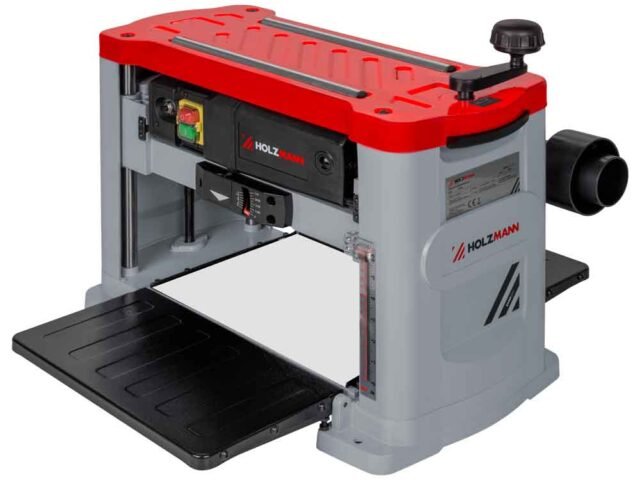
HOLZMANN DHM330 Portable Benchtop Thicknesser, 330 mm Planing Width
DHM330- Motor power
- 1.5 kW
- Voltage
- 230V
ფასი მოთხოვნით ფასის მოთხოვნა -
HOLZMANN
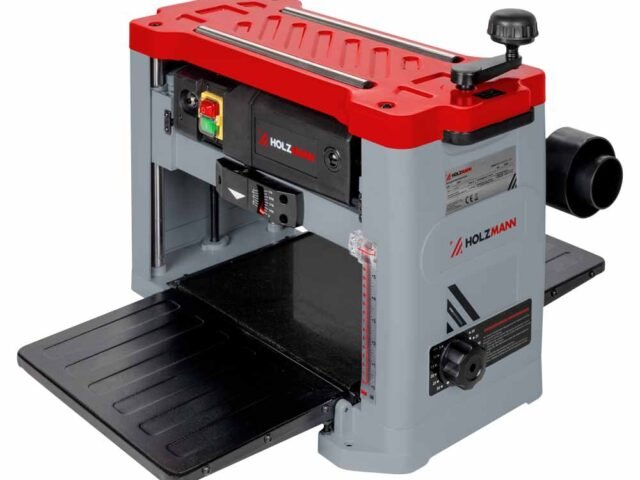
HOLZMANN DHM330PROSMW2 Benchtop Thicknesser with Spiral Cutterhead and Granite Table
DHM330PROSMW2- Motor power
- 1.5 kW
- Voltage
- 230V
ფასი მოთხოვნით ფასის მოთხოვნა -
HOLZMANN
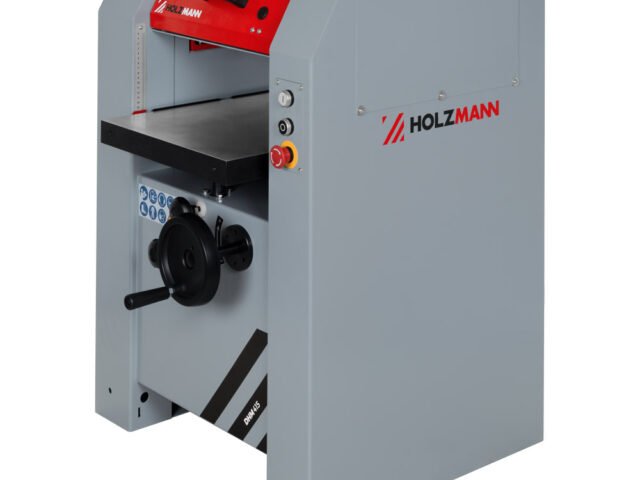
HOLZMANN DHM415 Thicknesser – 405 mm Planing Width
DHM415- Working width
- 405 mm
- Motor power
- 4 kW
- Voltage
- 400V
ფასი მოთხოვნით ფასის მოთხოვნა -
HOLZMANN
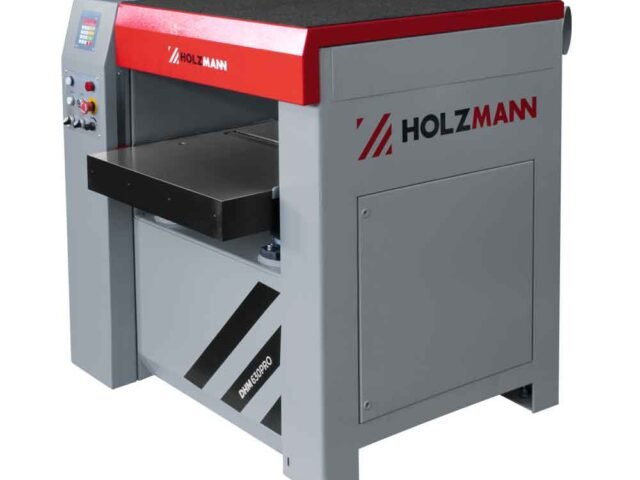
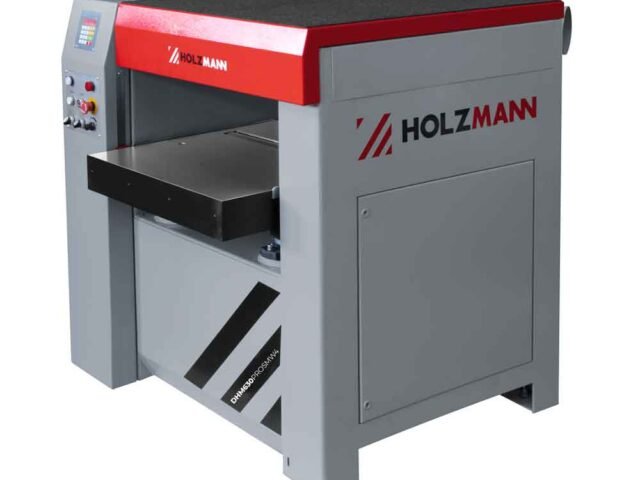
HOLZMANN DHM630PRO Thicknesser – 630 mm Planing Width, 7 kW
DHM630PRO- Working width
- 630 mm
- Motor power
- 7 kW
- Voltage
- 400V
ფასი მოთხოვნით ფასის მოთხოვნა -
HOLZMANN
HOLZMANN DHM630PROSMW4 Thicknesser – 630 mm with Spiral Cutterhead
DHM630PROSMW4- Working width
- 630 mm
- Motor power
- 7 kW
- Voltage
- 400V
ფასი მოთხოვნით ფასის მოთხოვნა -
NETMAK
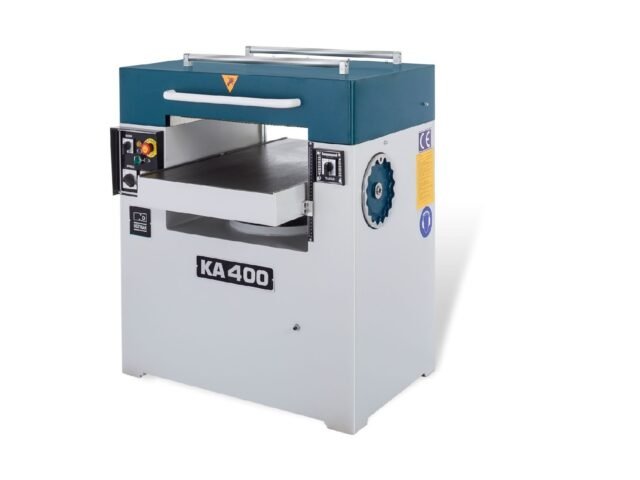
NETMAK KA 400 Thicknesser
KA 400 Kalınlık Makinası- Working width
- 400 mm
- Motor power
- 4 kW
ფასი მოთხოვნით ფასის მოთხოვნა -
NETMAK
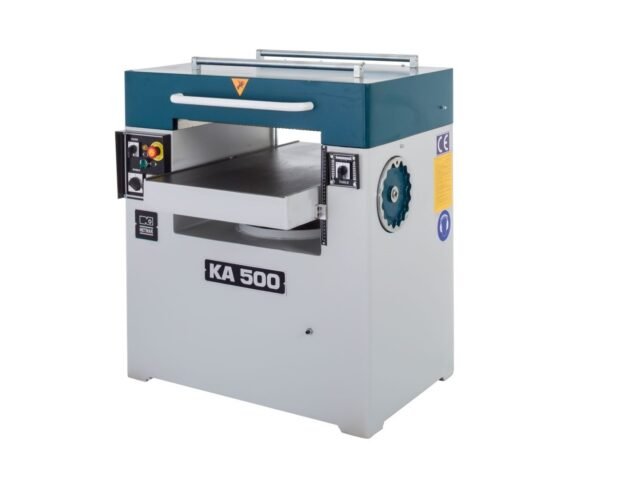
NETMAK KA 500 Thicknesser
KA 500 Kalınlık Makinası- Working width
- 500 mm
- Motor power
- 5.5 kW
ფასი მოთხოვნით ფასის მოთხოვნა -
NETMAK
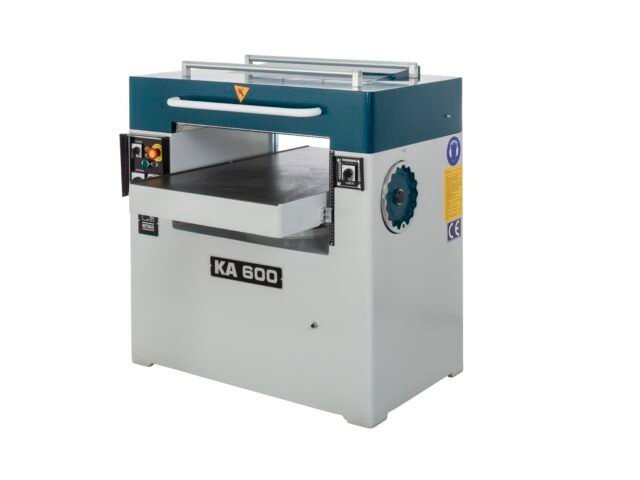
NETMAK KA 600 Thicknesser (600 mm)
KA 600 Kalinlik Makinasi- Working width
- 600 mm
- Motor power
- 7.5 kW
ფასი მოთხოვნით ფასის მოთხოვნა -
NETMAK
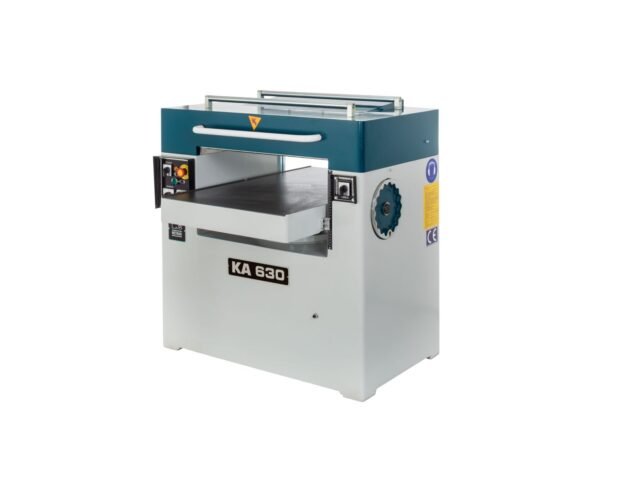
NETMAK KA 630 Thicknesser (630 mm)
KA 630 Kalinlik Makinasi- Working width
- 630 mm
- Motor power
- 7.5 kW
ფასი მოთხოვნით ფასის მოთხოვნა
What a thicknesser does and when you need one
A thicknesser finishes what a surface planer starts. Timber that already has one flat reference face goes in and comes out with the opposite face machined parallel at a set thickness, board after board. A thicknesser cannot flatten a twisted board on its own, so a separate thicknesser needs a surface planer beside it, or a combined planer thicknesser instead. Buying the two machines separately buys throughput: no converting between operations, and two people can work at once.
Choosing the planing width
Width is the first filter, set by the widest glued panel you machine, not the widest board you buy. The DHM330 and DHM330PROSMW2 are portable machines for site work and small joinery, the DHM330 taking 2.8 mm per pass on stock under 152 mm wide. The HOLZMANN DHM415 handles 405 mm and the NETMAK KA 400 handles 400 mm, which covers ordinary furniture and door work. Above that, the KA 500 gives 500 mm, the KA 600 gives 600 mm, and the KA 630 and DHM630PRO give 630 mm for glued tabletops, stair treads and worktops.
Thickness capacity and depth of cut
Thickness capacity and depth of cut separate the light machines from the industrial ones. The DHM415 takes stock to 220 mm thick, the NETMAK KA 400, KA 500, KA 600 and KA 630 all take 250 mm, and the DHM630PRO and DHM630PROSMW4 take 300 mm. Depth of cut matters even more for productivity: the benchtop DHM330 removes 2.8 mm and the DHM330PROSMW2 2.4 mm per pass, while every NETMAK KA machine and both DHM630 models remove up to 8 mm. On rough sawn oak that is four passes against one.
Straight knives against spiral insert heads
Spiral heads pay for themselves on hardwood and on knife-changing time. The DHM630PROSMW4 carries 104 carbide inserts in a four-groove head, each indexed to a fresh edge when it dulls, where the otherwise identical DHM630PRO carries four straight strip knives set with a supplied gauge. The DHM330PROSMW2 applies the same idea at benchtop scale and adds a granite bed with a settable finished thickness, against the sheet-steel bed of the 31 kg DHM330. Straight knives remain the cheaper and faster answer for softwood; spiral heads earn their price where tear-out means hand sanding.
Power supply, floor space and extraction
Power supply rules out models first. The DHM415 is a 400 V three-phase machine with a 4000 W motor, the DHM630PRO and DHM630PROSMW4 run 7000 W S1 motors, and the NETMAK KA range runs 4 kW on the KA 400 and 5.5 kW on the KA 500 – loads that need a proper three-phase supply and an electrician, not a socket. The KA 400 occupies about 800 x 1000 mm but needs clear infeed and outfeed the length of your longest board at each end, and a wide machine like the KA 630 needs a solid floor. Every thicknesser here needs chip extraction sized for the machine: without it, shavings pack under the pressure rollers and mark the work.
What a thicknesser costs and why
Cost on a thicknesser is set by planing width, thickness capacity, cutterhead type, feed and table options, and frame construction. A motorised table lift is standard on the KA 600 and KA 630 but an option on the KA 400 and KA 500, and options like that move the figure. Beyond the machine itself, budget replacement knives or inserts, an extractor and ducting, the electrical connection, delivery to your site, and installation. Ask for these itemised on the quotation.
როგორ ავირჩიოთ
- Portable or benchtop use
- The 31 kg DHM330 and the granite-bed DHM330PROSMW2 are the only machines here light enough to move. Right for site work, fitting-out contractors and joiners who thickness occasionally rather than daily.
- Planing width 400-415 mm
- HOLZMANN DHM415 at 405 mm and NETMAK KA 400 at 400 mm. This is the standard width for furniture components, door stiles and general joinery, and the smallest sensible size for a full-time workshop.
- Planing width 500-630 mm
- NETMAK KA 500 (500 mm), KA 600 (600 mm), KA 630 (630 mm) and HOLZMANN DHM630PRO / DHM630PROSMW4 (630 mm). Specify this class only if you machine glued tabletops, worktops, stair treads or wide panels.
- Thickness capacity 220 / 250 / 300 mm
- The DHM415 stops at 220 mm, the whole NETMAK KA range at 250 mm, and the DHM630PRO and DHM630PROSMW4 at 300 mm. Beam and laminated-blank work is what pushes you to 300 mm.
- Depth of cut per pass
- 2.8 mm on the DHM330 and 2.4 mm on the DHM330PROSMW2, against 8 mm on every NETMAK KA machine and both DHM630 models. On rough sawn stock the 8 mm machines turn four passes into one, which is a labour figure, not a comfort one.
- Straight knives or spiral inserts
- The DHM630PRO uses four straight strip knives with a setting gauge; the DHM630PROSMW4 uses 104 carbide inserts that are indexed individually. Choose inserts for hardwood and long production runs, knives for softwood and lower tooling cost.
- Motorised table height adjustment
- Standard on the NETMAK KA 600 and KA 630, an option on the KA 400 and KA 500. Worth specifying when the same machine changes thickness setting many times a shift.
- Three-phase supply available
- The DHM415 (4000 W, 400 V), the DHM630 pair (7000 W S1) and the NETMAK KA range (4 kW upward) all need an industrial three-phase connection. Without one, the choice narrows to the benchtop DHM330 class until an electrician has been budgeted.