
ხის დამუშავების დანადგარები
Woodworking machinery covers the machines that convert solid timber: sawing it, flattening and thicknessing it, moulding and shaping it, sanding it and turning it. This category holds 129 machines from HOLZMANN (Austria), MIZRAK and NETMAK (Turkey) across 20 machine types, the largest groups being sanders (25), spindle moulders (18), planer-thicknesser combinations (16), bandsaws (11) and thicknessers (10). Alongside these sit log bandsaws, circular saws, lathes and copy lathes, crosscut saws, panel glue presses, four-sided moulders, a wide belt calibrating sander and CNC laser cutter-engravers. All machines are supplied by quotation.
ნაპოვნი დანადგარები
-
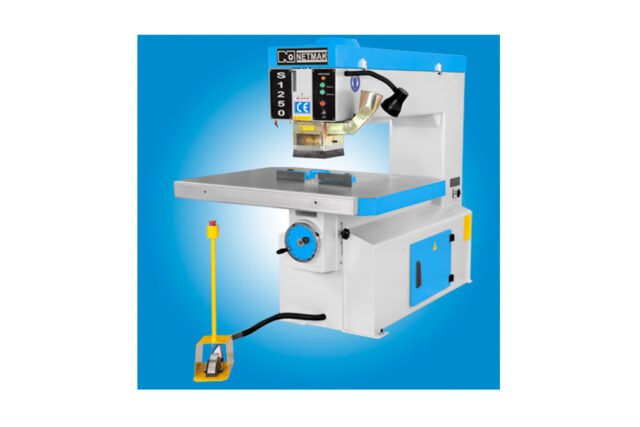
 შვეული საფრეზი ჩარხი
NETMAK FRS 1250 Vertical Spindle Router (Sakuli Freze)
- ძრავის სიმძლავრე
- 2.98 kW
- მაგიდის ზომა
- 960 x 1220 mm
- შპინდელი
- 80 mm
ფასი მოთხოვნით -
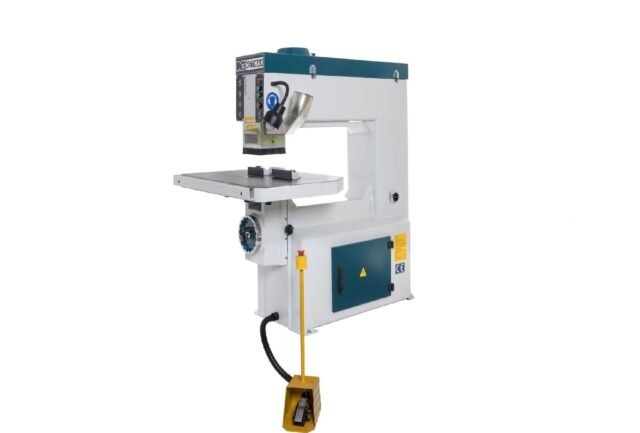 შვეული საფრეზი ჩარხი
NETMAK FRS 900 Vertical Spindle Router (Sakuli Freze)
- ძრავის სიმძლავრე
- 2.98 kW
- მაგიდის ზომა
- 790 x 970 mm
- შპინდელი
- 80 mm
ფასი მოთხოვნით -
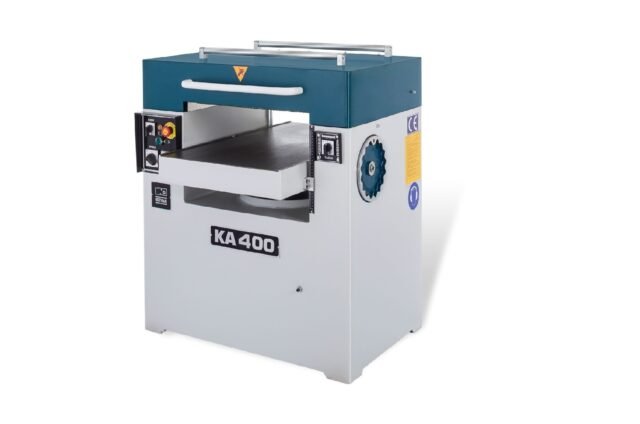 რეისმუსი
NETMAK KA 400 Thicknesser
- სამუშაო სიგანე
- 400 mm
- ძრავის სიმძლავრე
- 4 kW
- მაგიდის ზომა
- 420 x 790 mm
ფასი მოთხოვნით -
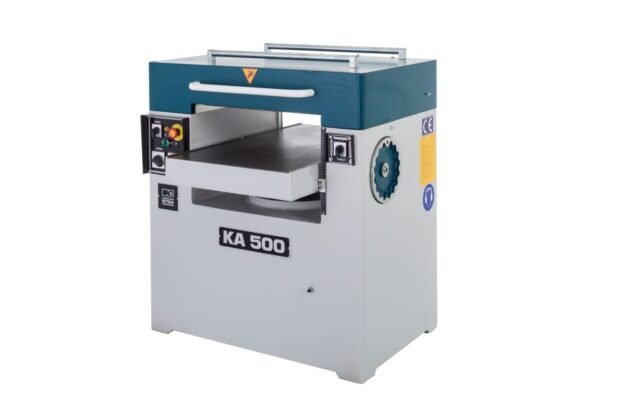 რეისმუსი
NETMAK KA 500 Thicknesser
- სამუშაო სიგანე
- 500 mm
- ძრავის სიმძლავრე
- 5.5 kW
- მაგიდის ზომა
- 520 x 890 mm
ფასი მოთხოვნით -
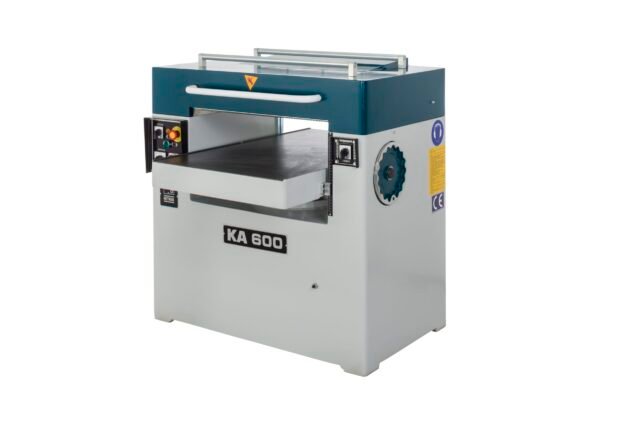 რეისმუსი
NETMAK KA 600 Thicknesser (600 mm)
- სამუშაო სიგანე
- 600 mm
- ძრავის სიმძლავრე
- 7.5 kW
- მაგიდის ზომა
- 620 x 990 mm
ფასი მოთხოვნით -
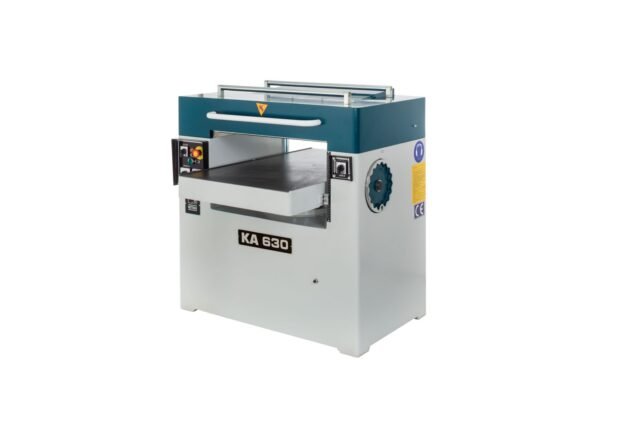 რეისმუსი
NETMAK KA 630 Thicknesser (630 mm)
- სამუშაო სიგანე
- 630 mm
- ძრავის სიმძლავრე
- 7.5 kW
- მაგიდის ზომა
- 640 x 990 mm
ფასი მოთხოვნით -
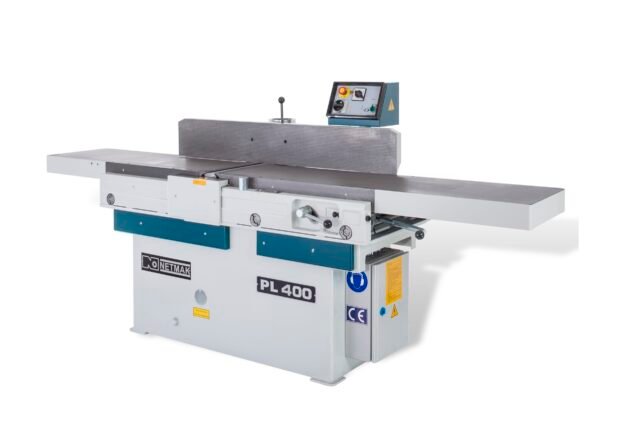 ფუგანი (სალაშინი)
NETMAK PL 400 Surface Planer (400 mm)
- ძრავის სიმძლავრე
- 5.5 kW
- მაგიდის სიგრძე
- 1420 mm
- მაგიდის ზომა
- 400 x 2600 mm
ფასი მოთხოვნით -
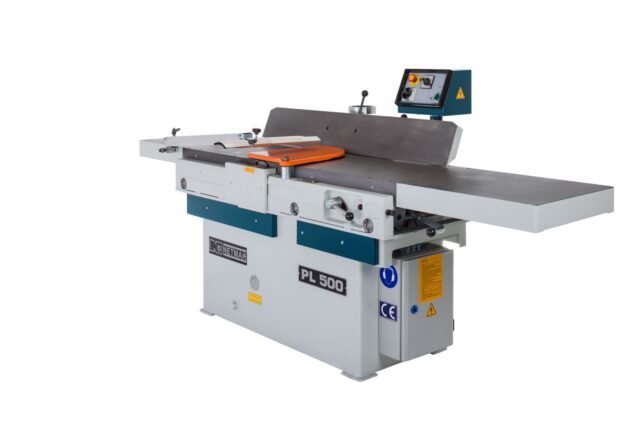 ფუგანი (სალაშინი)
NETMAK PL 500 Surface Planer (500 mm)
- ძრავის სიმძლავრე
- 5.5 kW
- მაგიდის სიგრძე
- 1420 mm
- მაგიდის ზომა
- 500 x 2600 mm
ფასი მოთხოვნით -
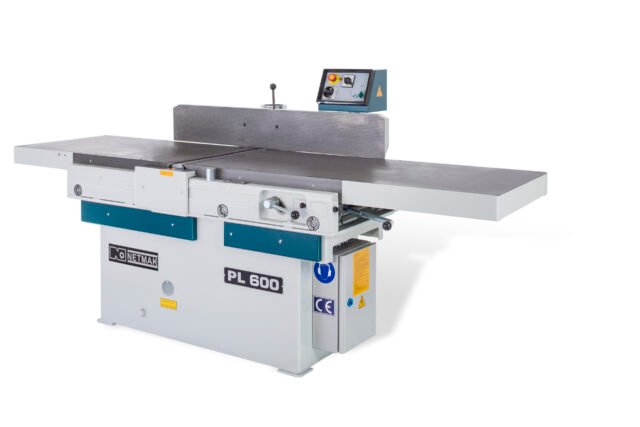 ფუგანი (სალაშინი)
NETMAK PL 600 Surface Planer (600 mm)
- ძრავის სიმძლავრე
- 5.5 kW
- მაგიდის სიგრძე
- 1420 mm
- მაგიდის ზომა
- 600 x 2600 mm
ფასი მოთხოვნით
How to choose woodworking machinery
Choose woodworking machinery by following what happens to a board, not by browsing machine names. Solid timber passes through four stages in every workshop – breaking down, surfacing, shaping, finishing – and the machine you are missing is the one at the stage where work stalls or where you currently pay a subcontractor.
Breaking down the timber
Sawing splits into three jobs. A log bandsaw converts round logs into boards and is the first machine for anyone milling their own timber. A bandsaw cuts curves, resaws boards to thickness and handles deep cuts, and 11 bandsaws are listed here. A circular saw rips and crosscuts sawn stock, while a crosscut saw brings parts to length squarely. A workshop buying sawn timber needs no log bandsaw.
Surfacing: jointer, thicknesser or combination
Surfacing is where most workshops lose the most time. A jointer creates the first flat face and a square edge; a thicknesser then brings the board to a constant thickness parallel to that face. Both operations are needed, which is why the combined planer-thicknesser is the largest surfacing group in this category with 16 machines: a combination machine gives both functions on one bed and suits any shop short of floor space. Separate jointers and thicknessers are the choice when two operators must work at once, or when changeover time becomes the bottleneck. A four-sided moulder is a different class again, finishing all four faces of a batten in one pass, and belongs in production rather than a one-man shop.
Shaping, finishing and turning
Spindle moulders are the general-purpose shaping machine, with 18 listed, and a spindle moulder cuts profiles, rebates, tenons and door parts according to the cutter fitted; a tilting spindle adds angled profiles, and vertical routers suit template work. Saw-spindle and five-operation combination machines put several functions on one frame, which is the honest answer for a small workshop. Sanding is the biggest group at 25 machines, from belt and disc sanders up to a wide belt calibrating sander that brings glued panels to an exact thickness. Lathes cover turning, with copy lathes repeating a master profile for chair and table legs, and panel glue presses clamp edge-glued boards into wide panels.
Power supply, floor space and extraction
Power supply divides this category in two. Small bandsaws, bench sanders, lathes and light planers are available for single-phase 230 V, while spindle moulders, larger thicknessers, four-sided moulders, log bandsaws and the calibrating sander are three-phase 400 V machines. Confirm the supply before ordering, because converting a workshop to three-phase afterwards costs far more than specifying correctly. Floor space is set by workpiece length, not machine footprint: a planer or thicknesser needs your longest board clear at both ends. Chip extraction is required on every machine here, and spindle moulders, thicknessers, four-sided moulders and wide belt sanders produce chip volumes a workshop vacuum cannot handle.
What the quoted price depends on
The price of woodworking machinery is set by working capacity and build, not by badge: planing width and table length, bandsaw throat and wheel size, spindle diameter and motor power, sanding belt width, lathe centre distance. Cast iron tables, powered feed, digital readouts and braked motors all move a machine up the range. Tooling is a separate budget line in every case – saw blades, planer knives, moulder cutter heads with limiters, sanding belts and lathe chisels – as are delivery to site and installation. Tell us your timber sizes and daily volume and we will quote a machine sized against them.
როგორ ავირჩიოთ
-
Rough sawn timber, no flat face
Start with a jointer or a combined planer-thicknesser (16 machines); a thicknesser alone cannot create the first flat reference face
-
Workshop under roughly 50 square metres
A combined planer-thicknesser, or a five-operation combination machine, replaces several separate machines on one frame at the cost of changeover time
-
Two operators must work at once
Separate jointer and thicknesser rather than a combination machine, so surfacing and thicknessing run in parallel
-
You mill your own logs
Log bandsaws (8 machines) are the entry machine; a standard bandsaw is for resawing and curves, not for converting logs
-
Profiles, rebates and tenons
Spindle moulders (18 machines); choose by spindle diameter and motor power, and take the tilting spindle version if you cut angled profiles
-
Glued panels must reach an exact thickness
A wide belt calibrating sander does this; belt and disc sanders finish surfaces but do not calibrate thickness
-
Repeat turned legs and spindles
A copy lathe reproduces a master profile; a standard lathe is for one-off and freehand turning
-
Single-phase 230 V supply only
Limits you to small bandsaws, bench sanders, lathes and light planers; spindle moulders, larger thicknessers, four-sided moulders and calibrating sanders need three-phase 400 V