
HOLZMANN BT1220 Belt and Disc Sander
 1 / 4
1 / 4
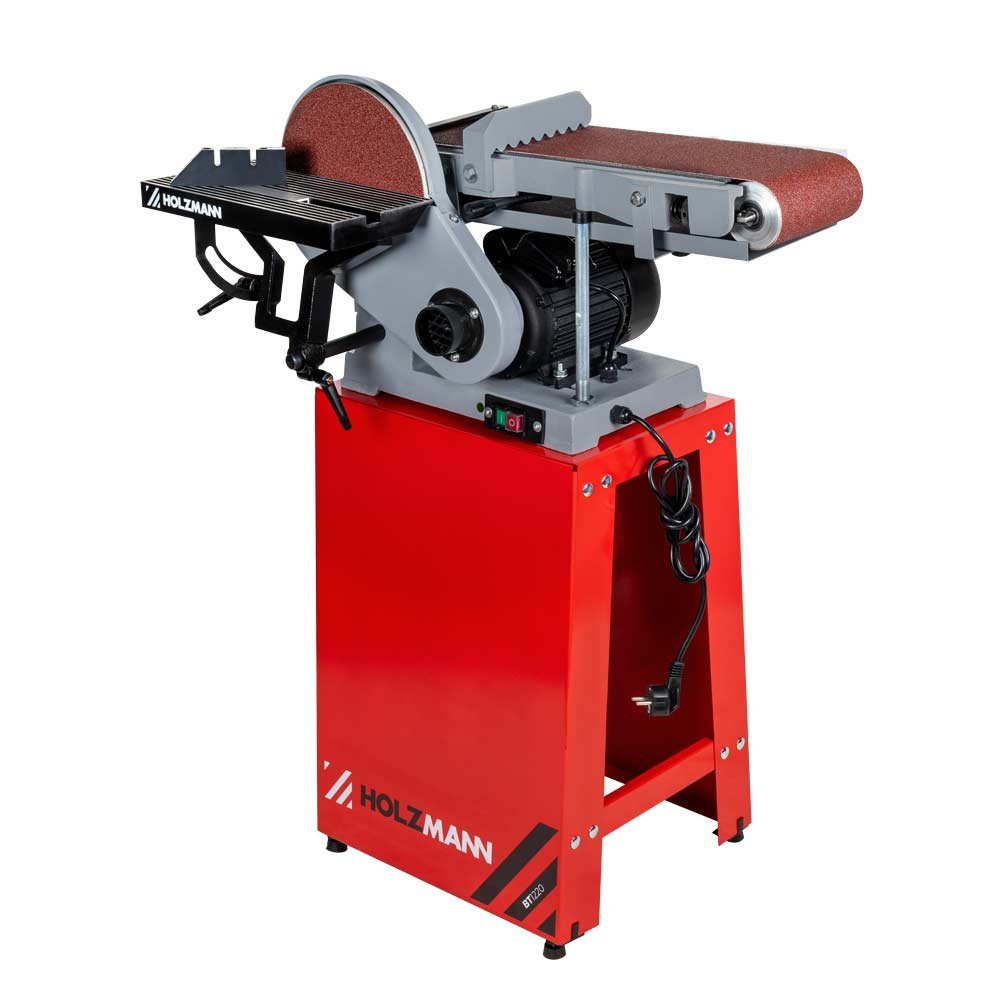
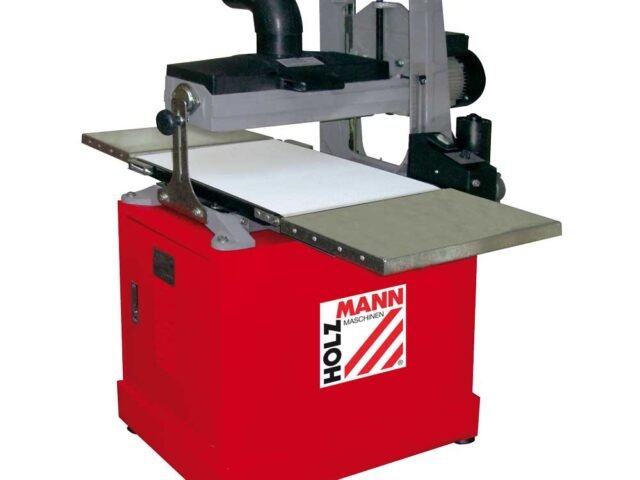
The HOLZMANN BT1220 is a belt and disc sander built around a 1220 x 150 mm sanding belt and a 228 mm grinding disc, driven at 1400 min-1 by a 230 V motor rated 750 W S1 and 1125 W S6. A graphite-coated contact surface keeps the belt run of the BT1220 smooth, and 51 kg net on a solid stand holds the machine steady.
- ძრავის სიმძლავრე
- 1.13 kW
- ძაბვა
- 230V
- მაგიდის ზომა
- 310 x 190 mm
- წონა
- 51 kg
- ახალი
- შეკვეთით
The BT1220 price moves with the quantity ordered, the volume of 1220 x 150 mm belts and 228 mm discs specified alongside the machine, the extraction equipment chosen for the workstation, and the delivery and installation terms agreed for the Georgian site.
 ირაკლი
გაყიდვების მენეჯერი
ირაკლი
გაყიდვების მენეჯერი
- კონფიგურაცია თქვენს ძაბვასა და ზომებზე
- მიწოდება, მონტაჟი და გაშვება ადგილზე
- ქარხნული გარანტია და სათადარიგო ნაწილები
What the HOLZMANN BT1220 belt and disc sander is for
The HOLZMANN BT1220 is the heavy, steady member of the BT belt-and-disc family, built for shops that sand the same edges all day and want the machine to stay where it was put. The BT1220 works a 1220 x 150 mm sanding belt together with a 228 mm grinding disc, turning at 1400 min-1 on a 230 V motor rated 750 W continuous (S1) and 1125 W intermittent (S6).
Belt run: graphite guide and contact surface
Belt behaviour is the headline feature of the BT1220. A graphite guide on the BT1220 keeps belt speed constant and the belt run smooth, and the graphite-coated contact surface minimises belt friction, which HOLZMANN states prolongs the working life of the belts. On a 1220 x 150 mm belt that friction saving is measured directly in consumable cost.
Stability and table
Stability on the BT1220 comes from mass rather than clamps: 51 kg net and 52 kg gross on a solid stand, so heavy pushes into the 228 mm disc do not walk the machine across the floor. The work table of the BT1220 measures 310 x 190 mm and a mitre fence is fitted for precise angle sanding.
Power supply and duty
The BT1220 connects to a normal 230 V single-phase socket, which matters for small workshops in Georgia that do not have a three-phase feed at the bench. The dual rating of the BT1220 – 750 W S1 and 1125 W S6 – describes a machine that will pull harder for short intermittent loads than its continuous figure alone suggests.
Choosing the BT1220 against its siblings
Buyers usually decide the BT1220 against the BT1220TOP: the BT1220 offers the heavier 51 kg build, the graphite-coated contact surface and the 1125 W S6 rating, while the BT1220TOP offers a larger 254 mm disc and a belt unit tiltable 0-90°. Further down the ladder the BT150-914 and BT203-914 run a shorter 914 x 100 mm belt and the BT75 a 25 x 760 mm belt, so the BT1220 remains the long-belt option for full-length edge sanding.
ძირითადი მახასიათებლები
- 1220 x 150 mm sanding belt for full-length edge and face sanding
- 228 mm grinding disc working from the same 230 V drive
- Motor rated 750 W S1 continuous and 1125 W S6 intermittent
- Working speed of 1400 min-1
- Graphite guide holding constant belt speed and a smooth belt run
- Graphite-coated contact surface that minimises belt friction and prolongs belt life
- Mitre fence for precise angle sanding, table size 310 x 190 mm
- Solid stand and 51 kg net weight for stability under load
ტექნიკური მახასიათებლები
- Motor power S1
- 750 W
- Motor power S6
- 1125 W
- Voltage
- 230 V
- Speed
- 1400 min-1
- Table size
- 310 x 190 mm
- Belt dimensions
- 1220 x 150 mm
- Grinding disc diameter
- 228 mm
- Net weight
- 51 kg
- Gross weight
- 52 kg
- EAN code
- 9120039900070
უპირატესობები
- 1125 W S6 rating gives the BT1220 more short-term pull than its 750 W continuous figure alone
- Graphite-coated contact surface reduces belt friction and, per HOLZMANN, lengthens the life of the 1220 x 150 mm belts
- 51 kg net on a solid stand keeps the BT1220 planted during heavy edge sanding
გასათვალისწინებელი
- The 228 mm disc is smaller than the 254 mm disc of the BT1220TOP, so disc capacity per pass is lower
- At 51 kg net the BT1220 is not a machine that gets moved around the shop casually
- The HOLZMANN data sheet for the BT1220 states no belt speed, no dust port size and no noise figures, so extraction and hearing protection have to be planned without published values
მსგავსი დანადგარები
-
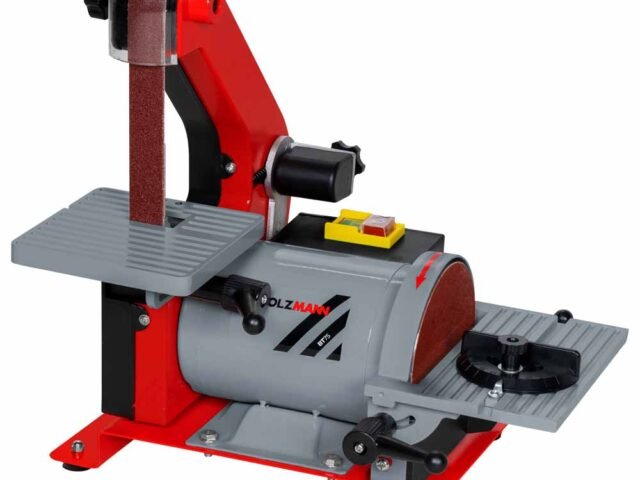 HOLZMANN
HOLZMANN BT75 Belt and Disc Sander
BT75- ძრავის სიმძლავრე
- 0.25 kW
- ძაბვა
- 230V
- გაბარიტები
- 350 x 380 x 300 mm
ფასი მოთხოვნით -
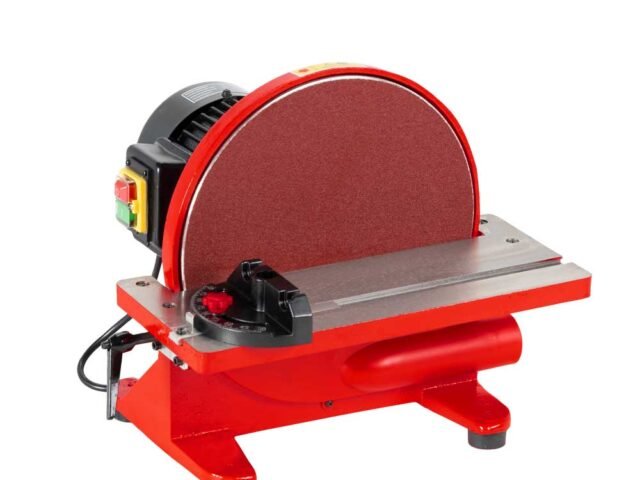 HOLZMANN
HOLZMANN TS305 Disc Sanding Machine
TS305- ძრავის სიმძლავრე
- 1.13 kW
- ძაბვა
- 230V
- მაგიდის ზომა
- 400 x 130 mm
ფასი მოთხოვნით -
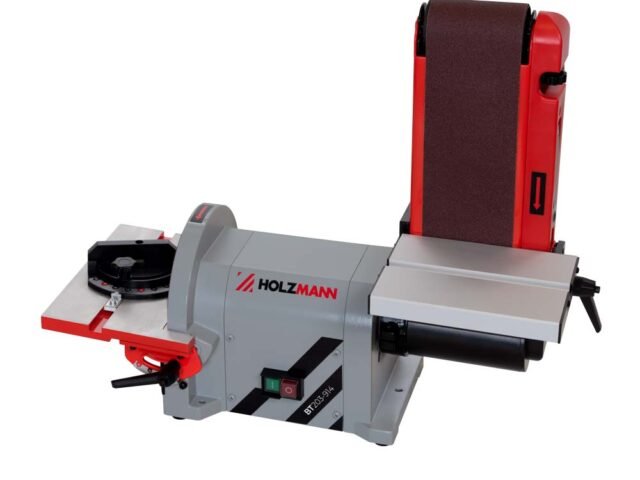 HOLZMANN
HOLZMANN BT203-914 Belt and Disc Sander
BT203-914- ძრავის სიმძლავრე
- 0.55 kW
- ძაბვა
- 230V
- მაგიდის ზომა
- 264 x 150 mm
ფასი მოთხოვნით -
 HOLZMANN
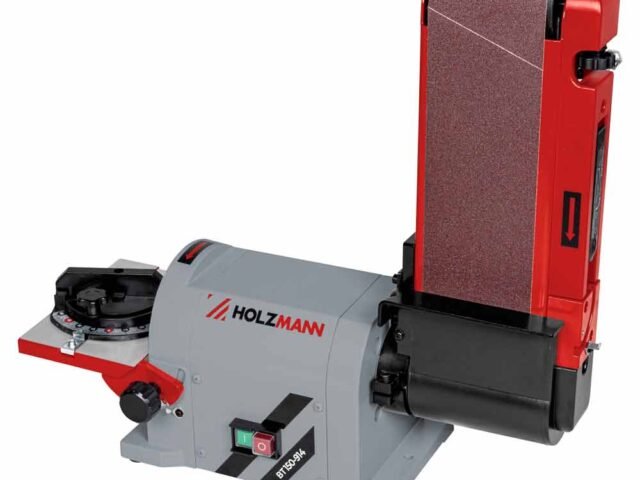
HOLZMANN BT150-914 Belt and Disc Sander
BT150-914- ძრავის სიმძლავრე
- 0.45 kW
- ძაბვა
- 230V
- მაგიდის ზომა
- 195 x 136 mm
ფასი მოთხოვნით -
 HOLZMANN
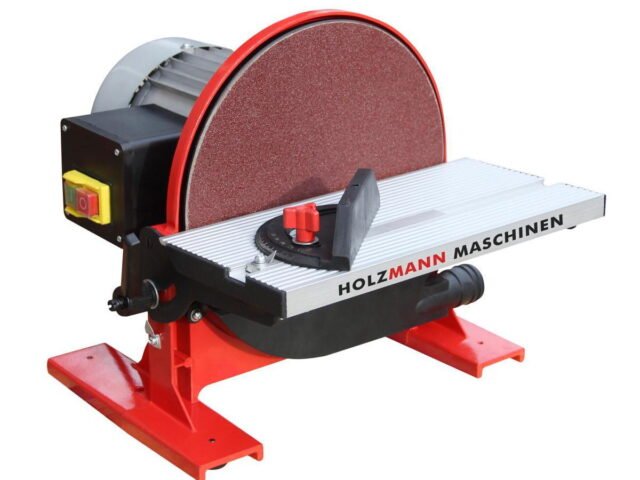
HOLZMANN TSM250 Disc Sander
TSM250- ძრავის სიმძლავრე
- 0.55 kW
- ძაბვა
- 230V
- მაგიდის ზომა
- 290 x 140 mm
ფასი მოთხოვნით -
 HOLZMANN
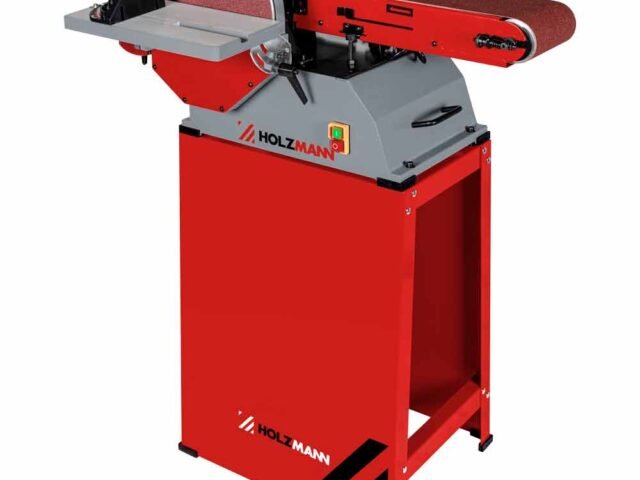
HOLZMANN BT1220TOP Belt and Disc Sander
BT1220TOP- ძრავის სიმძლავრე
- 0.75 kW
- ძაბვა
- 230V
- მაგიდის ზომა
- 332 x 170 mm
ფასი მოთხოვნით -
 HOLZMANN
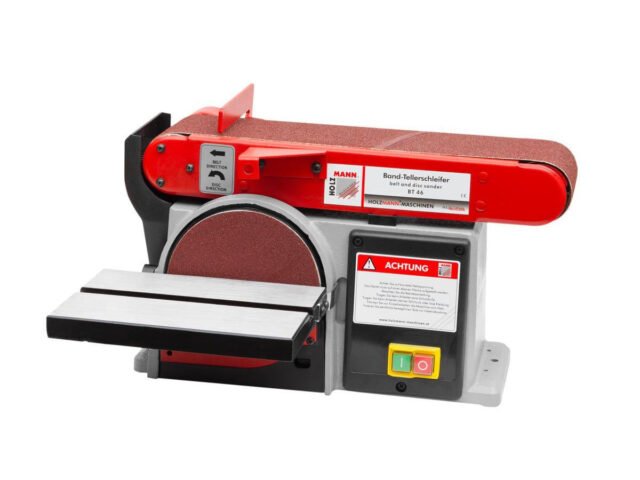
HOLZMANN BT46 Belt and Disc Sander
BT46- ძრავის სიმძლავრე
- 0.25 kW
- ძაბვა
- 230V
- მაგიდის ზომა
- 150 x 230 mm
ფასი მოთხოვნით -
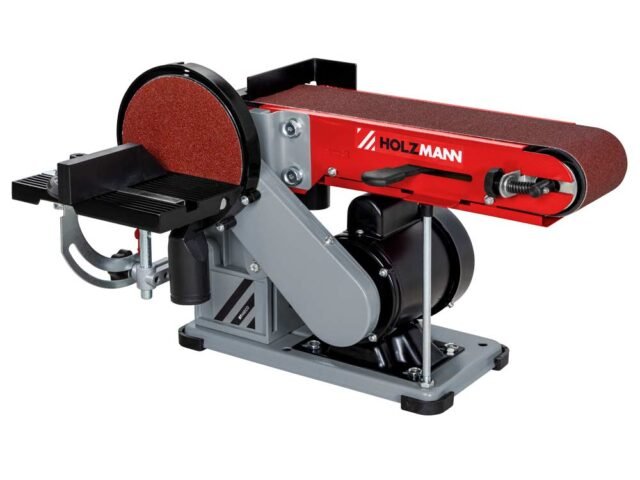 HOLZMANN
HOLZMANN BT46ECO Belt and Disc Sander
BT46ECO- ძრავის სიმძლავრე
- 0.35 kW
- ძაბვა
- 230V
- მაგიდის ზომა
- 190 x 125 mm
ფასი მოთხოვნით -
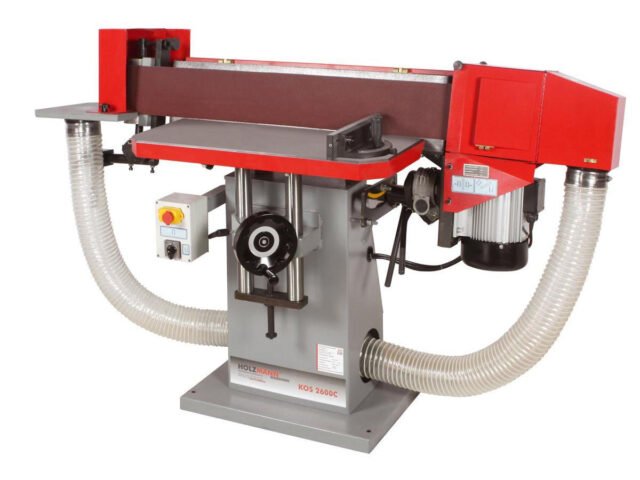 HOLZMANN
HOLZMANN KOS2600C Oscillating Belt Sanding Machine (2600 x 150 mm)
KOS2600C- ძრავის სიმძლავრე
- 4.2 kW
- ძაბვა
- 400V
- მაგიდის ზომა
- 750 x 300 mm
ფასი მოთხოვნით -
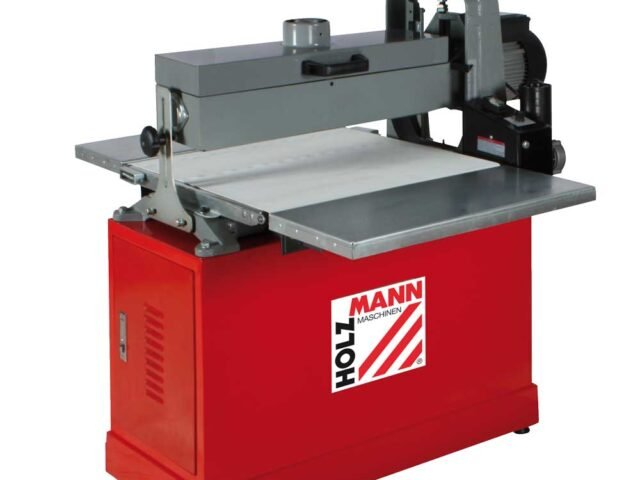 HOLZMANN
HOLZMANN ZS560U Mini Wide Belt Sander (560 mm)
ZS560U- სამუშაო სიგანე
- 560 mm
- ძრავის სიმძლავრე
- 2.25 kW
- ძაბვა
- 230V
ფასი მოთხოვნით -
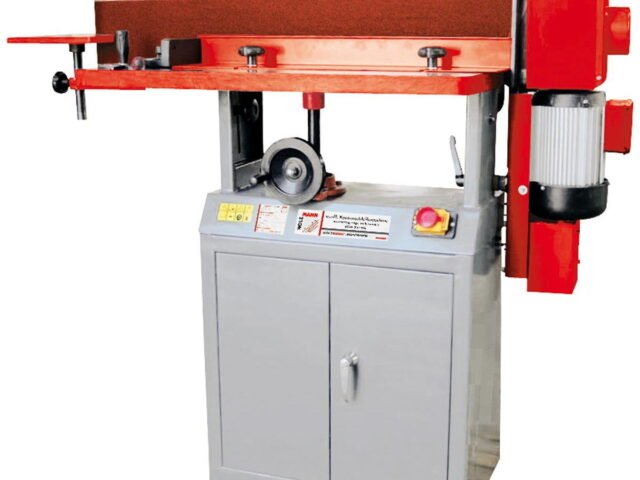 HOLZMANN
HOLZMANN KOS2510N Oscillating Belt Sanding Machine (2510 x 150 mm)
KOS2510N- ძრავის სიმძლავრე
- 1.5 kW
- ძაბვა
- 230V
- მაგიდის ზომა
- 840 x 300 mm
ფასი მოთხოვნით -
 HOLZMANN
HOLZMANN ZS400U Mini Wide Belt Sander (400 mm)
ZS400U- სამუშაო სიგანე
- 400 mm
- ძრავის სიმძლავრე
- 2.25 kW
- ძაბვა
- 230V
ფასი მოთხოვნით